
Shrine guide · Karbala, Iraq
Awaiting reviewShrine of Imam Hussain (as)
العتبة الحسينية المقدسة
- Directions: we have not verified an exact map pin yet, so show a driver the Arabic name under “When you arrive”.
If you are new to this
Imam Hussain (as) was the grandson of the Prophet Muhammad (s). In 61 AH (680 CE) he was killed at Karbala together with members of his family and companions, after refusing to give allegiance to a ruler he considered unjust. His shrine stands on the site of his grave. For Shia Muslims, and for many other visitors, a visit here is a way of honouring him, mourning what happened, and reflecting on standing for what is right.
On this page
Part 1
Understand
Who Imam Hussain (as) was, what happened at Karbala, and why people come here. Each statement is labelled so you can tell established history from religious belief.
How to read this guide
Each statement is labelled so you can tell what kind of information it is.
- Historical record
- Widely documented in historical sources.
- Shia belief
- Religious belief held in the Twelver Shia tradition.
- Accounts differ
- Sources disagree. We note this openly.
- Practical
- Visitor logistics. These can change.
Who was Imam Hussain (as)?
Hussain ibn Ali was the son of Imam Ali ibn Abi Talib (as) and Lady Fatima (as), the daughter of the Prophet Muhammad (s). He was born in Medina. [al-Shaykh al-Mufīd] [Wilferd Madelung]
Most accounts put his birth in Shaʿban 4 AH (626 CE). Some give 3 AH. [al-Shaykh al-Mufīd] [Wilferd Madelung]
Twelver Shia Muslims regard him as the third Imam, after his father Imam Ali (as) and his brother Imam Hasan (as): a divinely appointed guide from the Ahlulbayt, the Prophet’s family. [Moojan Momen] [Muḥammad b]
Read the full history and significanceHis relationship to the Prophet (s) · What happened at Karbala · Why people visit · The shrine through history
His relationship to the Prophet (s)
Hadith collections used by Sunni and Shia Muslims alike record the Prophet’s (s) love for Hussain. They include the sayings “Hussain is from me and I am from Hussain” and that Hasan and Hussain are “the leaders of the youth of Paradise.” [Sunan al-Tirmidhī]
What happened at Karbala
After Muawiya died in 60 AH, his son Yazid demanded allegiance from Hussain, who refused. Hussain left Medina for Mecca. After receiving letters from people in Kufa inviting him to lead them, he set out towards Iraq. [The History of al-Ṭabarī] [al-Shaykh al-Mufīd]
His small caravan was stopped by Umayyad forces and made camp at Karbala, near the Euphrates. On 10 Muharram 61 AH (Ashura, 680 CE), Hussain, many members of his family and his companions were killed. The women and children of the household were taken captive to Kufa and then to Damascus. [The History of al-Ṭabarī] [al-Shaykh al-Mufīd]
Sources disagree on how many companions were killed alongside him. The figure of 72 is commonly cited, while early accounts give different numbers. [The History of al-Ṭabarī] [Wilferd Madelung]
Accounts also differ on where his head was finally buried. Karbala, Damascus, Cairo and other places are all mentioned in historical sources. [Wilferd Madelung]
Why people visit
In Twelver Shia tradition, ziyarat (visitation) of Imam Hussain (as) is regarded as a deeply meritorious act. Many narrations attributed to the Imams on this subject are collected in Kāmil al-Ziyārāt. [Ibn Qūlawayh al-Qummī]
The annual commemorations of Ashura (10 Muharram) and Arbaeen (forty days later) bring very large numbers of visitors to Karbala. Many walk there from other cities. [Moojan Momen]
The shrine through history
A structure has marked the grave since early Islamic history, and it has been destroyed and rebuilt several times. The Abbasid caliph al-Mutawakkil, for example, ordered the grave site razed and visitation restricted in the 3rd century AH. [Moojan Momen]
A fuller, sourced history of the shrine’s architecture is still to be written.
Part 2
Before you go
Religious obligations, recommended practices, shrine rules and general etiquette are listed separately. Recommended acts are encouraged, not required.
Recommended devotional acts
These acts are described in devotional sources as recommended (mustahabb). They are not obligatory.
Performing ghusl (ritual bathing) for ziyarat before visiting. [Shaykh ʿAbbās al-Qummī]
Approaching with humility, and reciting the words asking permission to enter (idhn al-dukhul) before going into the sanctuary. [Shaykh ʿAbbās al-Qummī]
Reciting a ziyarat text, such as Ziyarat Warith, and offering a two-unit prayer of ziyarat. [Shaykh ʿAbbās al-Qummī]
Religious obligations
Ziyarat does not suspend everyday obligations such as daily prayers and modesty. The specific rulings depend on the scholar (marjaʿ) you follow, so check their published guidance for questions such as prayer for travellers.
Venue rules
Rules on security checks, separate entrances, bags, phones and clothing are set by the shrine administration and can change. We have not yet verified them, so we do not list them here. Please follow the instructions of shrine staff.
General etiquette
Dress modestly and move quietly. Give way to people who are praying, elderly visitors and families. Be careful with photography, especially of other visitors.
Questions of religious law depend on the scholar you follow (your marjaʿ). If you are unsure, please ask a qualified scholar.
Etiquette, accessibility, family and facilitiesChecked details, with anything unverified marked as such
Etiquette on site
Dress modestly, move quietly, and give space to people who are praying. [Ziyarat Guide]
Be considerate with photography, especially of other visitors. Follow any instructions given by shrine staff. [Ziyarat Guide]
Accessibility
Not yet verified, so nothing is shown here. Please ask shrine staff on arrival.
Visiting with family
Not yet verified, so nothing is shown here. Please ask shrine staff on arrival.
Facilities: toilets, shoe storage, lost property
Not yet verified, so nothing is shown here. Please ask shrine staff on arrival.
Part 3
When you arrive
We only show details we have checked. Anything not yet verified is marked as such, so please confirm on arrival.
Show this to a driver
العتبة الحسينية المقدسة
al-ʿAtaba al-Ḥusayniyya al-Muqaddasa
Shorter everyday name
الحرم الحسيني
al-Ḥaram al-Ḥusaynī
Spelling checked against al-ʿAtaba al-Ḥusayniyya al-Muqaddasa (Imam Hussain Holy Shrine), official website, imamhussain.org, accessed 13 October 2026. on 2026-10-13.
Map
We have not confirmed an exact pin yet, so we link to a map search rather than a fixed point.
Search for it on OpenStreetMapPractical details last checked on site: not yet
Getting there
The shrine is in central Karbala. Visitors usually arrive by road, often from Najaf or Baghdad. We have not yet sourced reliable journey-time estimates, so none are given here. (source needed)
Nearby
The shrine of al-Abbas (as) stands nearby. The open area between the two shrines is known as Bayn al-Haramayn (“between the two sanctuaries”). [Ziyarat Guide]
Part 4
During your visit
Prayers recited at the shrine. Show or hide each available layer, change the text size, or read full screen. We only publish a text after checking it against a named edition.
Greeting to Imam Hussain (as)
السلام عليك يا أبا عبد الله
A short greeting addressed to Imam Hussain (as) by his kunya, Abu Abdillah. These words also open Ziyarat Ashura.
السلام عليك يا أبا عبد الله، وعلى الأرواح التي حلت بفنائك
As-salāmu ʿalayka yā Abā ʿAbdillāh, wa ʿala l-arwāḥi llatī ḥallat bi-fināʾik.
Peace be upon you, O Aba Abdillah, and upon the souls who camped in your courtyard.
Ziyarat Ashura
زيارة عاشوراء
A widely recited ziyarat of Imam Hussain (as), recited both at the shrine and from afar. It is recorded in Mafātīḥ al-Jinān. The full Arabic is shown below, including the traditional recitation instructions.
السَّلامُ عَلَيْكَ يا اَبا عَبْدِاللهِ، اَلسَّلامُ عَلَيْكَ يَا بْنَ رَسُولِ اللهِ (السَّلامُ عَلَيكَ يا خِيَرَةِ اللهِ وابْنَ خَيرَتِهِ) اَلسَّلامُ عَلَيْكَ يَا بْنَ اَميرِ الْمُؤْمِنينَ وَابْنَ سَيِّدِ الْوَصِيّينَ،
اَلسَّلامُ عَلَيْكَ يَا بْنَ فاطِمَةَ سَيِّدَةِ نِساءِ الْعالَمينَ، اَلسَّلامُ عَلَيْكَ يا ثارَ اللهِ وَابْنَ ثارِهِ وَالْوِتْرَ الْمَوْتُورَ،
اَلسَّلامُ عَلَيْكَ وَعَلَى الأرْواحِ الَّتي حَلَّتْ بِفِنائِكَ عَلَيْكُمْ مِنّي جَميعاً سَلامُ اللهِ اَبَداً ما بَقيتُ وَبَقِىَ اللَّيْلُ وَالنَّهارُ،
يا اَبا عَبْدِاللهِ لَقَدْ عَظُمَتِ الرَّزِيَّةُ وَجَلَّتْ وَعَظُمَتِ الْمُصيبَةُ بِكَ عَلَيْنا وَعَلى جَميعِ اَهْلِ الإسْلامِ وَجَلَّتْ وَعَظُمَتْ مُصيبَتُكَ فِي السَّماواتِ عَلى جَميعِ اَهْلِ السَّماواتِ،
فَلَعَنَ اللهُ اُمَّةً اَسَّسَتْ اَساسَ الظُّلْمِ وَالْجَوْرِ عَلَيْكُمْ اَهْلَ الْبَيْتِ، وَلَعَنَ اللهُ اُمَّةً دَفَعَتْكُمْ عَنْ مَقامِكُمْ وَاَزالَتْكُمْ عَنْ مَراتِبِكُمُ الَّتي رَتَّبَكُمُ اللهُ فيها،
وَلَعَنَ اللهُ اُمَّةً قَتَلَتْكُمْ وَلَعَنَ اللهُ الْمُمَهِّدينَ لَهُمْ بِالَّتمْكينِ مِنْ قِتالِكُمْ، بَرِئْتُ اِلَى اللهِ وَاِلَيْكُمْ مِنْهُمْ وَمِنْ اَشْياعِهِمْ وَاَتْباعِهِمْ وَاَوْلِيائِهِم،
يا اَبا عَبْدِاللهِ اِنّي سِلْمٌ لِمَنْ سالَمَكُمْ وَحَرْبٌ لِمَنْ حارَبَكُمْ اِلى يَوْمِ الْقِيامَةِ، وَلَعَنَ اللهُ آلَ زِياد وَآلَ مَرْوانَ، وَلَعَنَ اللهُ بَني اُمَيَّةَ قاطِبَةً، وَلَعَنَ اللهُ ابْنَ مَرْجانَةَ،
وَلَعَنَ اللهُ عُمَرَ بْنَ سَعْد، وَلَعَنَ اللهُ شِمْراً، وَلَعَنَ اللهُ اُمَّةً اَسْرَجَتْ وَاَلْجَمَتْ وَتَنَقَّبَتْ لِقِتالِكَ،
بِاَبي اَنْتَ وَاُمّي لَقَدْ عَظُمَ مُصابي بِكَ فَاَسْأَلُ اللهَ الَّذي َكْرَمَ مَقامَكَ وَاَكْرَمَني اَنْ يَرْزُقَني طَلَبَ ثارِكَ مَعَ اِمام مَنْصُور مِنْ اَهْلِ بَيْتِ مُحَمَّد صَلَّى اللهُ عَلَيْهِ وَآلِهِ،
اَللّـهُمَّ اجْعَلْني عِنْدَكَ وَجيهاً بِالْحُسَيْنِ عَلَيْهِ السَّلامُ فِي الدُّنْيا وَالاْخِرَةِ،
يا اَبا عَبْدِاللهِ اِنّي اَتَقَرَّبُ اِلى اللهِ وَ اِلى رَسُولِهِ وَاِلى اَميرِ الْمُؤْمِنينَ وَاِلى فاطِمَةَ وَاِلَى الْحَسَنِ وَاِلَيْكَ بِمُوالاتِكَ وَبِالْبَراءَةِ (مِمَّنْ قاتَلَكَ وَنَصَبَ لَكَ الْحَرْبَ وَبِالْبَراءَةِ مِمَّنْ اَسَسَّ اَساسَ الظُّلْمِ وَالْجَوْرِ عَلَيْكُمْ وَاَبْرَأُ اِلَى اللهِ وَاِلى رَسُولِهِ) مِمَّنْ اَسَسَّ اَساسَ ذلِكَ وَبَنى عَلَيْهِ بُنْيانَهُ وَجَرى فِي ظُلْمِهِ وَجَوْرِهِ عَلَيْكُمْ وَعلى اَشْياعِكُمْ،
بَرِئْتُ اِلَى اللهِ وَاِلَيْكُمْ مِنْهُمْ وَاَتَقَرَّبُ اِلَى اللهِ ثُمَّ اِلَيْكُمْ بِمُوالاتِكُمْ وَمُوالاةِ وَلِيِّكُمْ وَبِالْبَراءَةِ مِنْ اَعْدائِكُمْ وَالنّاصِبينَ لَكُمُ الْحَرْبَ وَبِالْبَراءَةِ مِنْ اَشْياعِهِمْ وَاَتْباعِهِمْ،
اِنّي سِلْمٌ لِمَنْ سالَمَكُمْ وَحَرْبٌ لِمَنْ حارَبَكُمْ وَوَلِىٌّ لِمَنْ والاكُمْ وَعَدُوٌّ لِمَنْ عاداكُمْ فَاَسْأَلُ اللهَ الَّذي أكْرَمَني بِمَعْرِفَتِكُمْ وَمَعْرِفَةِ اَوْلِيائِكُمْ وَرَزَقَنِى الْبَراءَةَ مِنْ اَعْدائِكُمْ اَنْ يَجْعَلَني مَعَكُمْ فِي الدُّنْيا وَالاْخِرَةِ وَاَنْ يُثَبِّتَ لي عِنْدَكُمْ قَدَمَ صِدْق فِي الدُّنْيا وَالاْخِرَةِ وَاَسْأَلُهُ اَنْ يُبَلِّغَنِى الْمَقامَ الَْمحْمُودَ لَكُمْ عِنْدَ اللهِ وَاَنْ يَرْزُقَني طَلَبَ ثاري مَعَ اِمام هُدىً ظاهِر ناطِق بِالْحَقِّ مِنْكُمْ وَاَسْألُ اللهَ بِحَقِّكُمْ وَبِالشَّأنِ الَّذي لَكُمْ عِنْدَهُ اَنْ يُعْطِيَني بِمُصابي بِكُمْ اَفْضَلَ ما يُعْطي مُصاباً بِمُصيبَتِهِ مُصيبَةً ما اَعْظَمَها وَاَعْظَمَ رَزِيَّتَها فِي الإسْلامِ وَفِي جَميعِ السَّماواتِ وَالاْرْضِ اَللّـهُمَّ اجْعَلْني فِي مَقامي هذا مِمَّنْ تَنالُهُ مِنْكَ صَلَواتٌ وَرَحْمَةٌ وَمَغْفِرَةٌ،
اَللّـهُمَّ اجْعَلْ مَحْياىَ مَحْيا مُحَمَّد وَآلِ مُحَمَّد وَمَماتي مَماتَ مُحَمَّد وَآلِ مُحَمَّد،
اَللّـهُمَّ اِنَّ هذا يَوْمٌ تَبَرَّكَتْ بِهِ بَنُو اُمَيَّةَ وَابْنُ آكِلَةِ الاكبادِ اللَّعينُ ابْنُ اللَّعينِ عَلى لِسانِكَ وَلِسانِ نَبِيِّكَ صَلَّى اللهُ عَلَيْهِ وَآلِهِ فِي كُلِّ مَوْطِن وَمَوْقِف وَقَفَ فيهِ نَبِيِّكَ صَلَّى اللهُ عَلَيْهِ وَآلِهِ،
اَللّـهُمَّ الْعَنْ اَبا سُفْيانَ وَمُعاوِيَةَ وَيَزيدَ ابْنَ مُعاوِيَةَ عَلَيْهِمْ مِنْكَ اللَّعْنَةُ اَبَدَ الاْبِدينَ، وَهذا يَوْمٌ فَرِحَتْ بِهِ آلُ زِياد وَآلُ مَرْوانَ بِقَتْلِهِمُ الْحُسَيْنَ صَلَواتُ اللهِ عَلَيْهِ،
اَللّـهُمَّ فَضاعِفْ عَلَيْهِمُ اللَّعْنَ مِنْكَ وَالْعَذابَ (الاْليمَ) اَللّـهُمَّ اِنّي اَتَقَرَّبُ اِلَيْكَ فِي هذَا الْيَوْمِ وَفِي مَوْقِفي هذا وَاَيّامِ حَياتي بِالْبَراءَةِ مِنْهُمْ وَاللَّعْنَةِ عَلَيْهِمْ وَبِالْمُوالاةِ لِنَبِيِّكَ وَآلِ نَبِيِّكَ عَلَيْهِ وَعَلَيْهِمُ اَلسَّلامُ.ثمّ تقول مائة مرّة:اَللّـهُمَّ الْعَنْ اَوَّلَ ظالِم ظَلَمَ حَقَّ مُحَمَّد وَآلِ مُحَمَّد وَآخِرَ تابِع لَهُ عَلى ذلِكَ،
اَللّـهُمَّ الْعَنِ الْعِصابَةَ الَّتي جاهَدَتِ الْحُسَيْنَ (عليه السلام) وَشايَعَتْ وَبايَعَتْ وَتابَعَتْ عَلى قَتْلِهِ،
اَللّـهُمَّ الْعَنْهُمْ جَميعاً ثمّ تقول مائة مرّة : اَلسَّلامُ عَلَيْكَ يا اَبا عَبْد ِاللهِ وَعَلَى الاَْرْواحِ الَّتي حَلَّتْ بِفِنائِكَ عَلَيْكَ مِنّي سَلامُ اللهِ اَبَداً ما بَقيتُ وَبَقِيَ اللَّيْلُ وَالنَّهارُ وَلا جَعَلَهُ اللهُ آخِرَ الْعَهْدِ مِنّي لِزِيارَتِكُمْ،
اَلسَّلامُ عَلَى الْحُسَيْنِ وَعَلى عَلِيِّ بْنِ الْحُسَيْنِ وَعَلى اَوْلادِ الْحُسَيْنِ وَعَلى اَصْحابِ الْحُسَيْنِ.ثمّ تقول:اَللّـهُمَّ خُصَّ اَنْتَ اَوَّلَ ظالِم بِاللَّعْنِ مِنّي وَابْدَأْ بِهِ اَوَّلاً ثُمَّ (الْعَنِ) الثّانيَ وَالثّالِثَ وَالرّابِعَ اَللّـهُمَّ الْعَنْ َيَزيدَ خامِساً وَالْعَنْ عُبَيْدَ اللهِ بْنَ زِياد وَابْنَ مَرْجانَةَ وَعُمَرَ بْنَ سَعْد وَشِمْراً وَآلَ اَبي سُفْيانَ وَآلَ زِياد وَآلَ مَرْوانَ اِلى يَوْمِ الْقِيامَةِ.ثمّ تسجد وتقُول:اَللّـهُمَّ لَكَ الْحَمْدُ حَمْدَ الشّاكِرينَ لَكَ عَلى مُصابِهِمْ اَلْحَمْدُ للهِ عَلى عَظيمِ رَزِيَّتي اَللّـهُمَّ ارْزُقْني شَفاعَةَ الْحُسَيْنِ يَوْمَ الْوُرُودِ وَثَبِّتْ لي قَدَمَ صِدْق عِنْدَكَ مَعَ الْحُسَيْنِ وَاَصْحابِ الْحُسَيْنِ اَلَّذينَ بَذَلُوا مُهَجَهُمْ دُونَ الْحُسَيْنِ عَلَيْهِ السَّلامُ.
Ziyarat Warith
زيارة وارث
A ziyarat of Imam Hussain (as) often recited at his shrine. It is recorded in Mafātīḥ al-Jinān.
Text awaiting verification
We have not published this text yet. First we need to proofread the Arabic against a named edition and confirm an English translation we are allowed to reproduce. Until then, please use a printed copy of Shaykh ʿAbbās al-Qummī (d. 1359 AH), Mafātīḥ al-Jinān..
Part 5
Reflect
Themes that many visitors reflect on, linked to the events of Karbala. You do not need any background knowledge to use them.
Questions to take with you
- What does standing for what is right ask of me in my own family, work or community?
- Whom have I been loyal to, and who has been loyal to me?
- Is there an injustice I have stayed silent about?
- How can I serve someone else during this journey?
Themes for reflectionSincerity · Compassion · Justice · Courage · Service to others
Sincerity
On the night before Ashura, Imam Hussain (as) is reported to have released his companions from their pledge and invited them to leave under cover of darkness. Those who stayed did so by choice. [The History of al-Ṭabarī] [al-Shaykh al-Mufīd]
Compassion
When the force led by al-Hurr ibn Yazid first came to stop his caravan, the riders and their horses were thirsty. Imam Hussain (as) is reported to have ordered that they be given water. Al-Hurr later came over to Hussain’s side, and he was received. [The History of al-Ṭabarī]
Justice
Imam Hussain (as) is reported to have explained his journey in a testament to his brother Muhammad ibn al-Hanafiyya. He said he had set out to seek reform in the community of his grandfather, and to enjoin good and forbid wrong. [ʿAllāma Muḥammad Bāqir al-…]
Courage
Every account agrees that his party was vastly outnumbered, and that he did not give the allegiance demanded of him. [The History of al-Ṭabarī] [Wilferd Madelung]
Service to others
Serving visitors with food, water and rest, known as khidma, is a strong tradition around Karbala, especially during Arbaeen. Many visitors see small acts of service as part of their ziyarat.
Part 6
Continue your journey
Sites often visited on the same trip, and further reading.
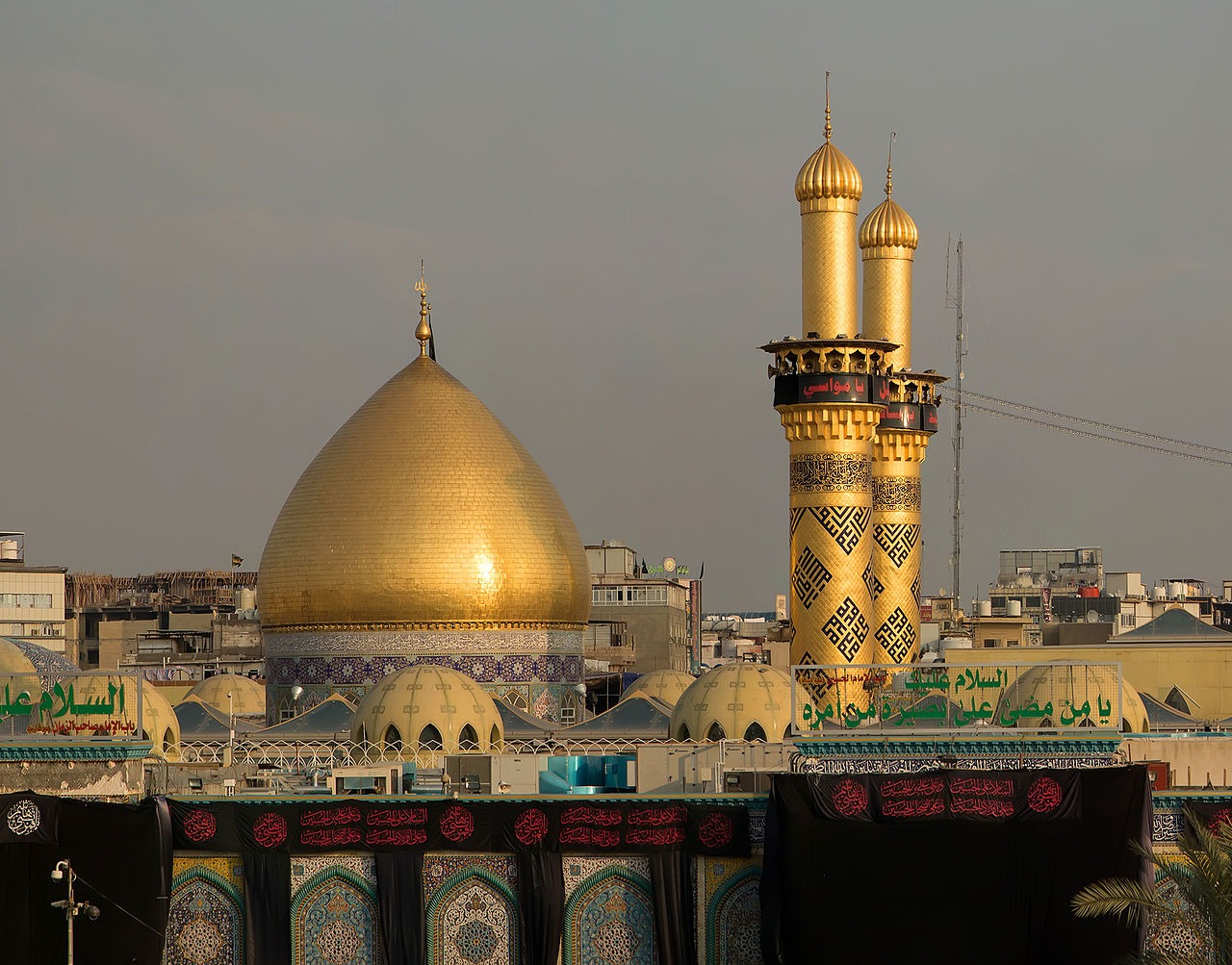
Shrine · Karbala
Shrine of al-Abbas (as)
The shrine of al-Abbas ibn Ali (as), Imam Hussain’s (as) brother and standard-bearer at Karbala, facing Imam Hussain’s shrine across Bayn al-Haramayn.
Full guide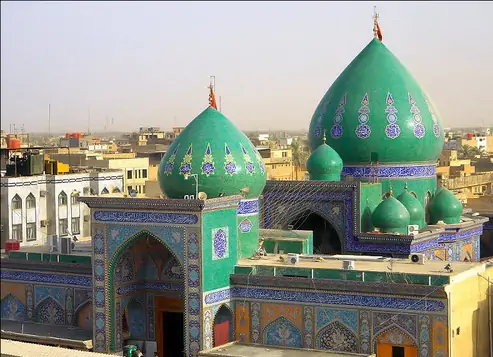
Historic site · Karbala
Al-Mukhayyam (the Camp)
A site commemorating where the camp of Imam Hussain’s (as) family is traditionally held to have stood before and during the events of Ashura.
Summary only, full guide comingHistoric site · Karbala
Tal al-Zainabiyya
A raised site traditionally associated with Lady Zaynab (as), sister of Imam Hussain (as), during the events of Ashura. Listed under “Key Landmarks” on the existing site.
Summary only, full guide comingShrine · Najaf
Shrine of Imam Ali (as)
The shrine in Najaf where Twelver Shia Muslims believe Imam Ali (as), cousin and son-in-law of the Prophet (s), is buried.
Full guide
Related reading
Pilgrimage Preparation · Sacred Places & History
Arbaeen Pilgrimage
The walk to Karbala forty days after Ashura: what it marks and what visitors should expect.
Read Article: Arbaeen PilgrimageAhlulbayt & Imam Mahdi · Reflections & Everyday Life
Imam Hussain (AS) - Quotes, Family Tree & Timeless Lessons
Imam Hussain’s (as) family, sayings attributed to him, and lessons drawn from his life.
Read Article: Imam Hussain (AS) - Quotes, Family Tree & Timeless LessonsSacred Places & History
Ashura Commemoration
The day of remembrance for the martyrdom of Imam Hussain (as) at Karbala.
Read Article: Ashura Commemoration
Sources & review
Awaiting review- Author
- Not yet assigned
- Religious review
- Not yet reviewed
- Practical details last checked
- Not yet checked on site
Sources referred to
- The History of al-Ṭabarī, Vol. XIX: The Caliphate of Yazīd b. Muʿāwiyah, trans. I. K. A. Howard (Albany: State University of New York Press, 1990).
- al-Shaykh al-Mufīd, Kitāb al-Irshād: The Book of Guidance into the Lives of the Twelve Imams, trans. I. K. A. Howard (London: Balagha Books & Muhammadi Trust, 1981).
- Wilferd Madelung, “Ḥosayn b. ʿAli i. Life and Significance in Shiʿism,” Encyclopædia Iranica, vol. XII (2004).
- Sunan al-Tirmidhī, Kitāb al-Manāqib (Book of Virtues).
- Ibn Qūlawayh al-Qummī (d. 368 AH), Kāmil al-Ziyārāt.
- Moojan Momen, An Introduction to Shiʿi Islam (New Haven: Yale University Press, 1985).
- ʿAllāma Muḥammad Bāqir al-Majlisī, Biḥār al-Anwār.
- al-ʿAtaba al-Ḥusayniyya al-Muqaddasa (Imam Hussain Holy Shrine), official website, imamhussain.org, accessed 13 October 2026.
- Ziyarat Guide (existing website), ziyaratguide.com, accessed 13 October 2026.
Still to complete before approval (9)
- Arabic place name: the spelling has been checked against the shrine’s official website. Still to confirm on the ground: which form local drivers recognise most readily.
- Map pin: confirm the coordinates on site. Until then, the page offers a map search and no fixed pin.
- Entrances, opening arrangements and security procedures: not yet verified, so not shown.
- Accessibility (wheelchair routes, lifts, seating), family facilities, toilets, shoe storage and lost-property: not yet verified.
- Journey-time estimates from Najaf and Baghdad: the existing site gives figures without a source. Find a source or leave them out.
- Shrine architecture and rebuilding history: needs a sourced account.
- Prayer texts: choose an edition and an English translation, and get permission to reproduce them.
- Assign an author, and arrange a qualified religious reviewer.
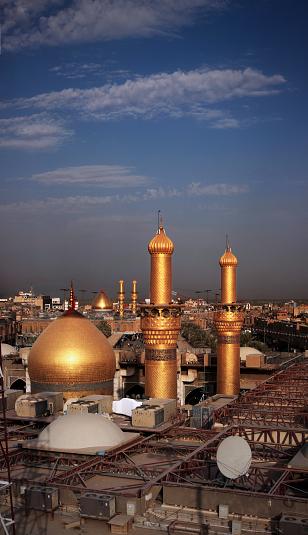
- Photograph: confirm what it shows, the photographer and the licence.
Spotted an error? Let us know. You can also read how we check content.